MCU2 keeps up with the car
On MCU2 the map now shows each GPS position as soon as it arrives, every car spends less time on landmarks it is nowhere near, and houses in Cityscape have roofs.
Performance
MCU2 keeps up with the car
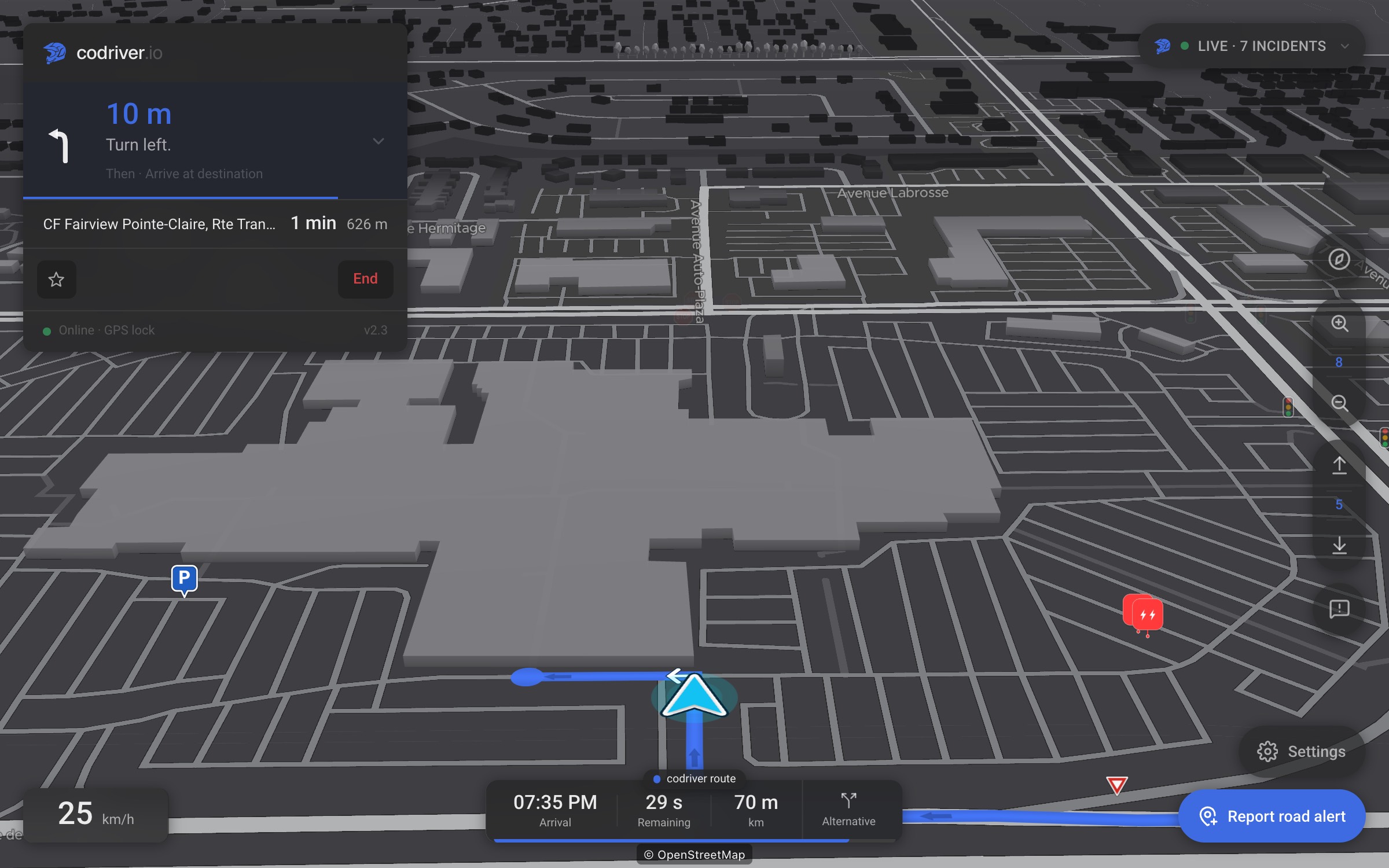
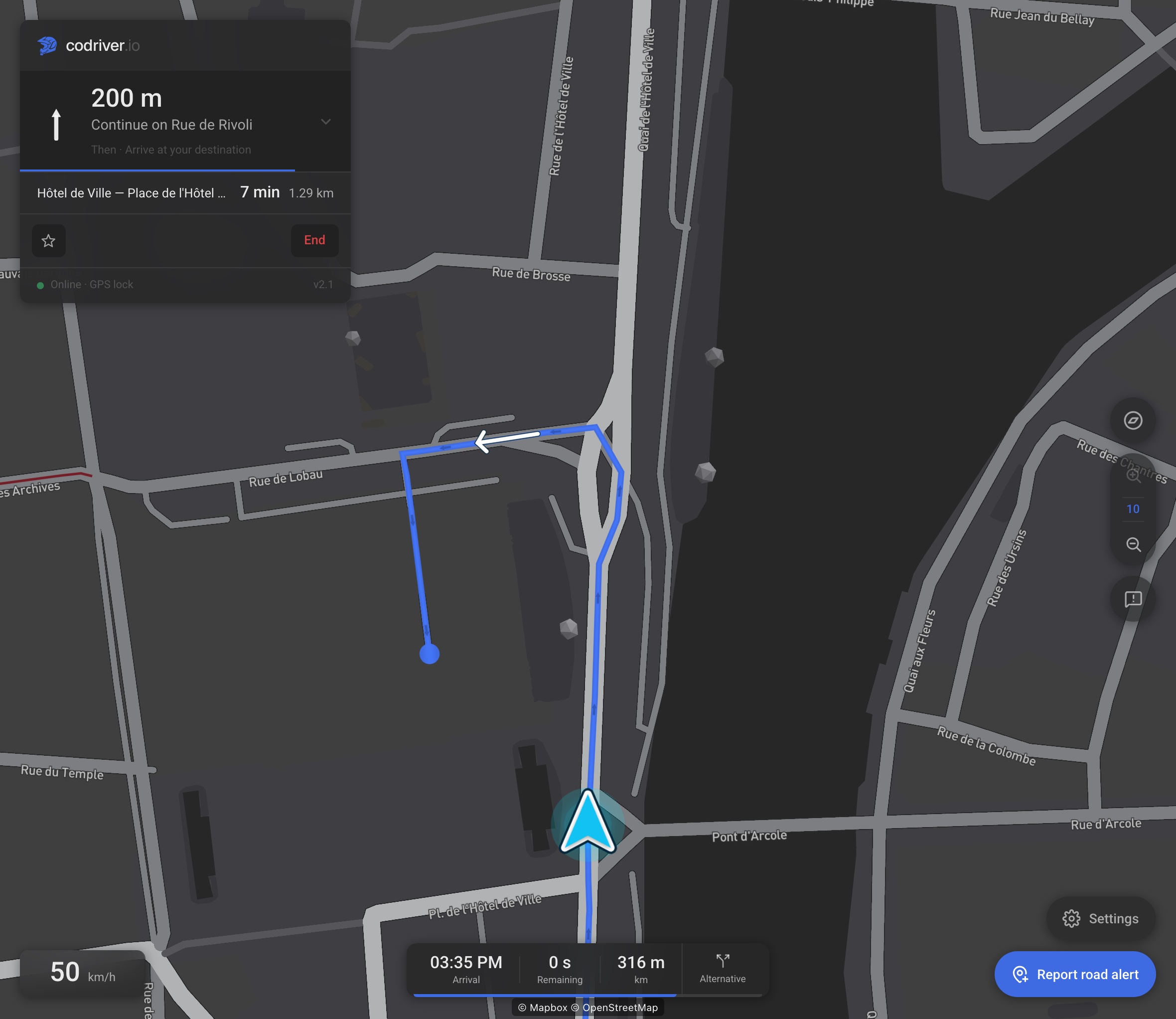
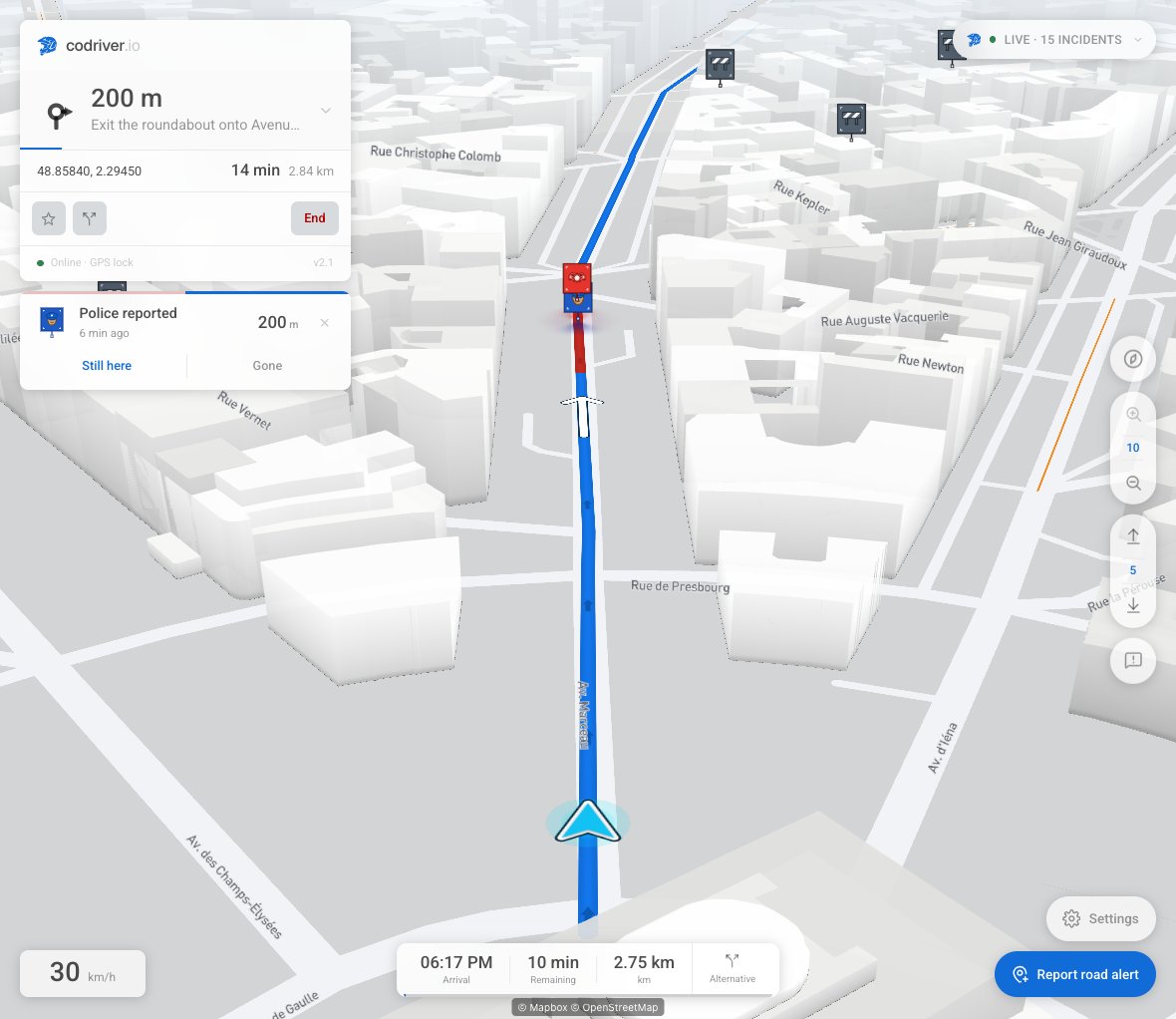
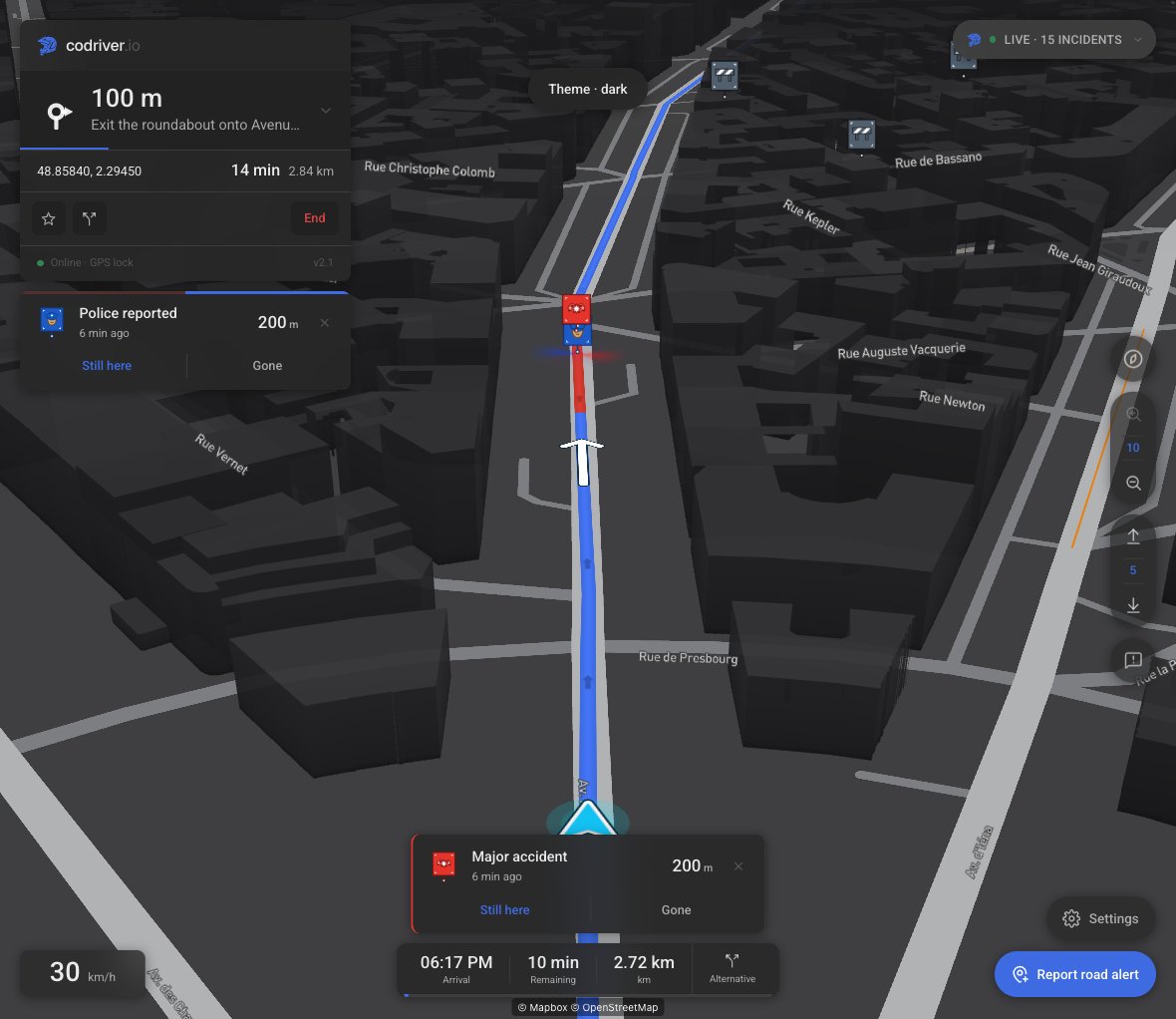
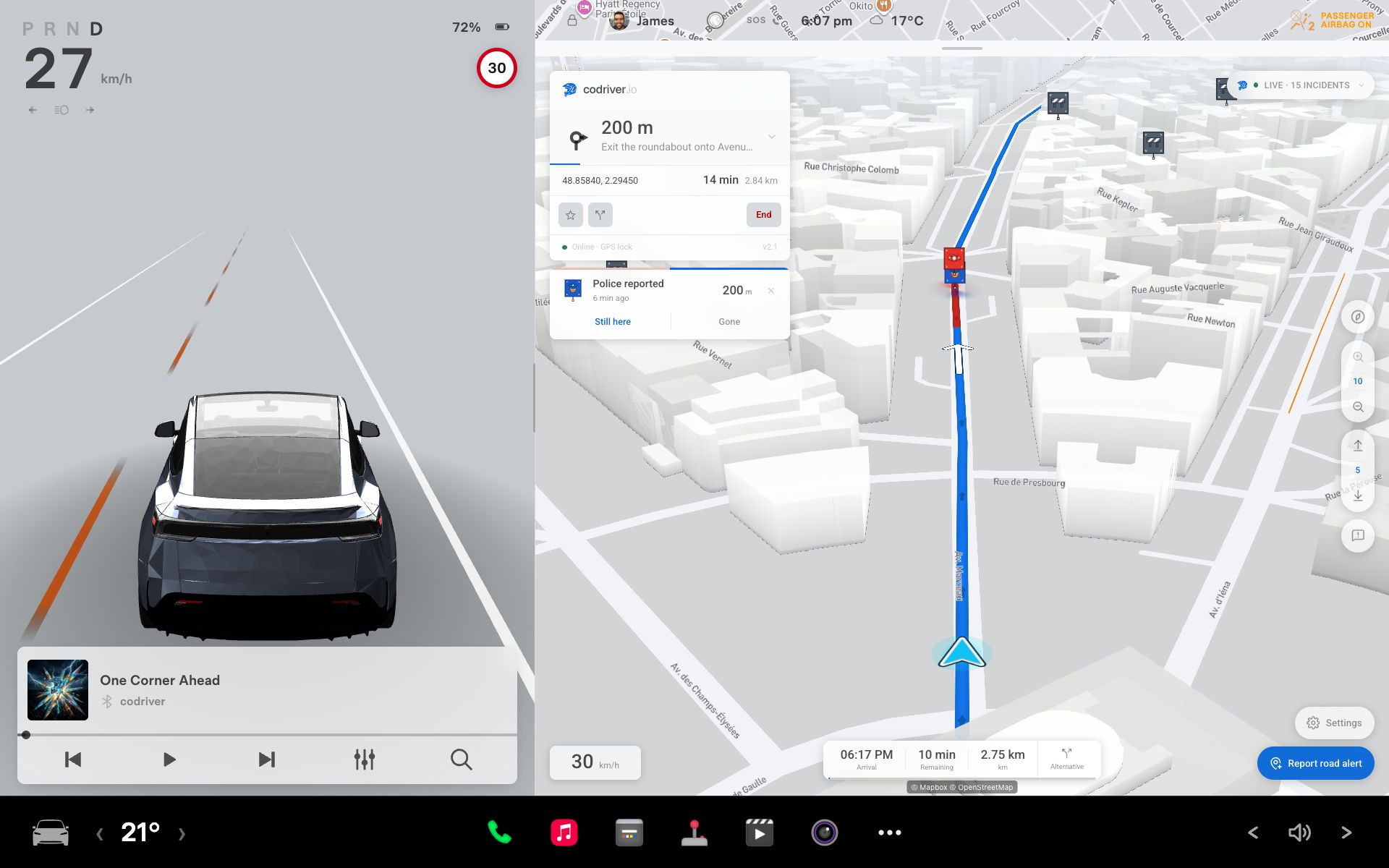
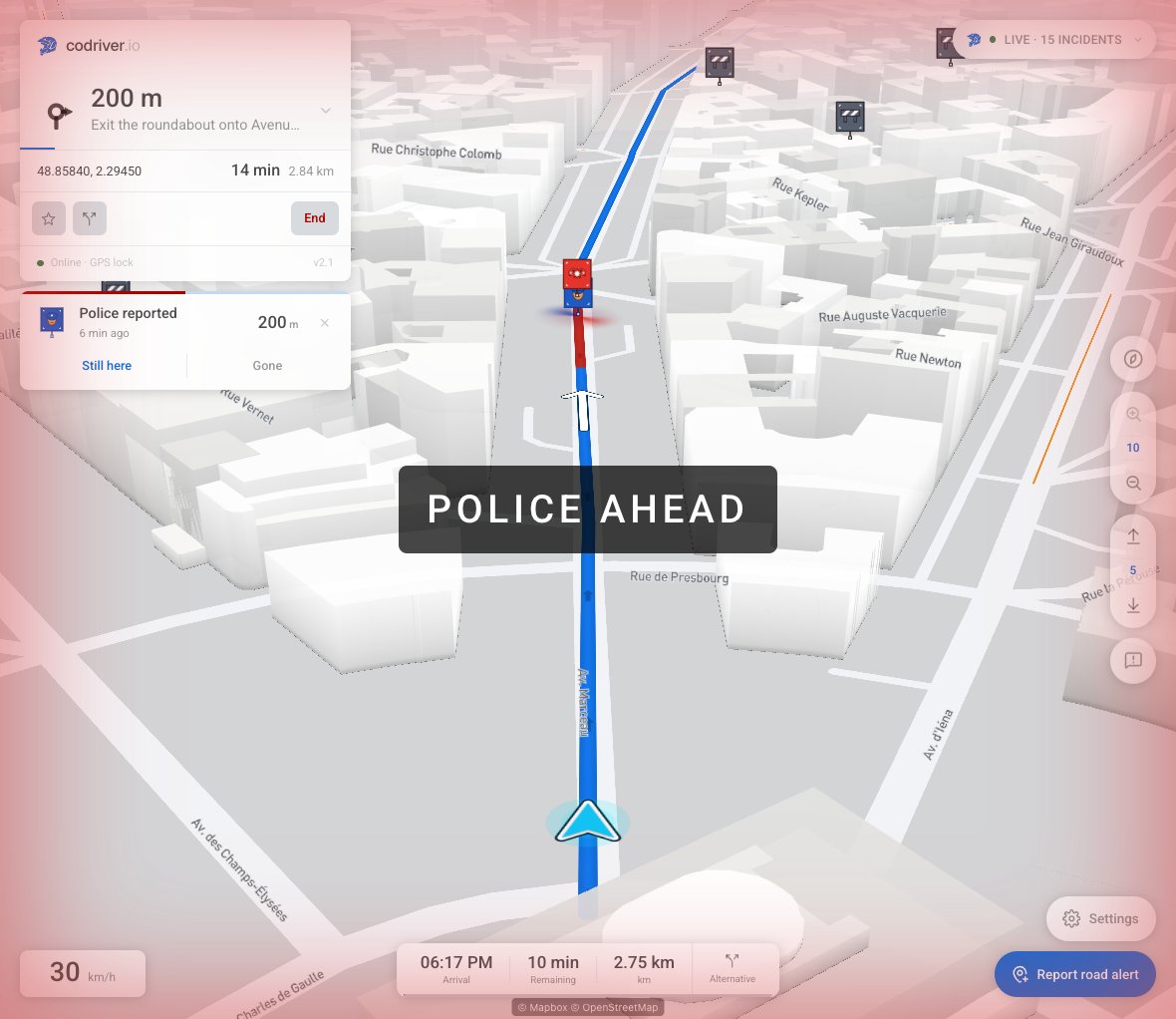
On MCU2 the map moves once per GPS position, about ten times a second. Between two positions it used to redraw the same picture a dozen times, and those redraws held up the one that showed where you are. It now draws each position once, as soon as it arrives. The FPS badge reads about 10 on MCU2: that is the GPS rate, by design.
Landmarks rest until you are near
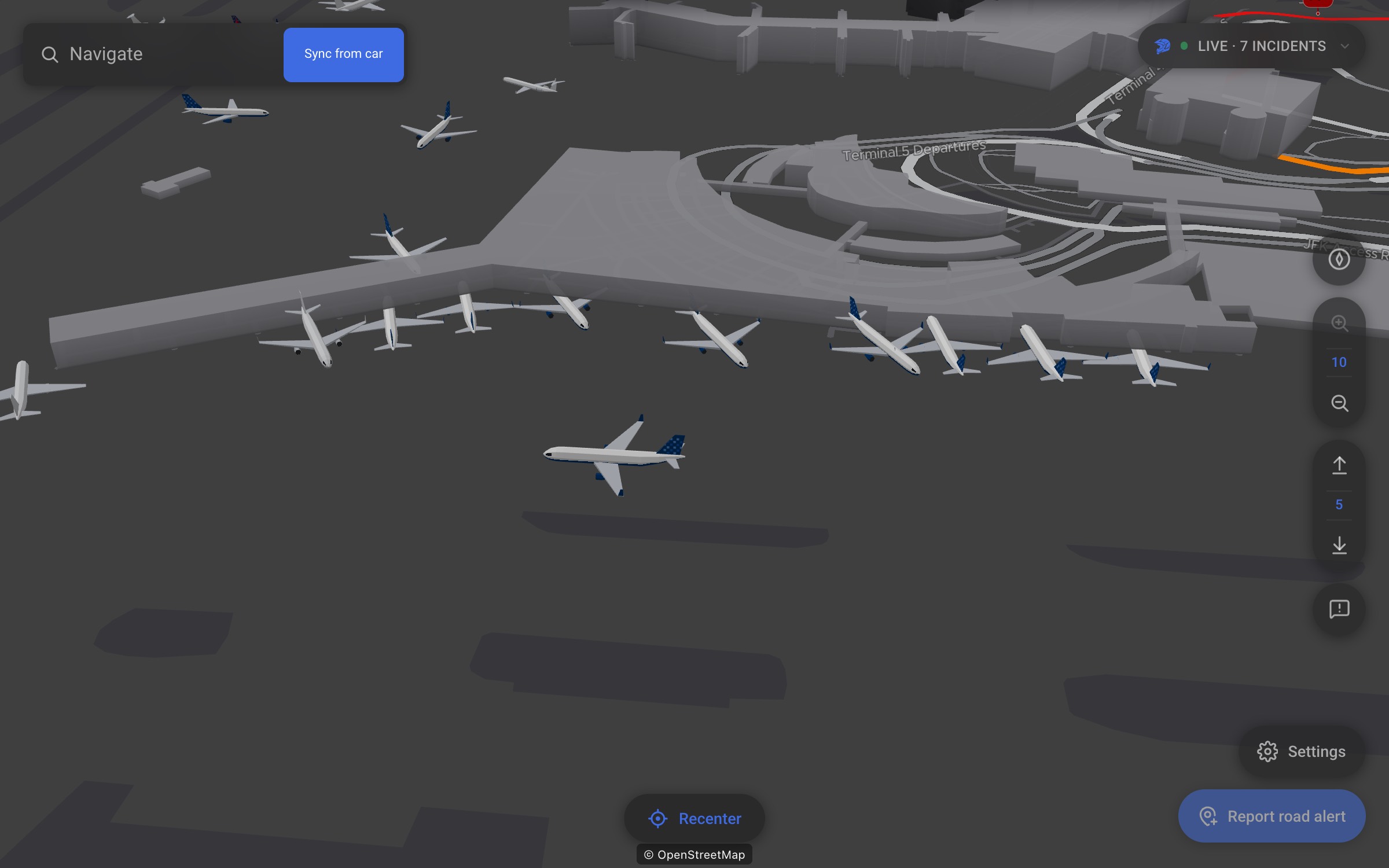
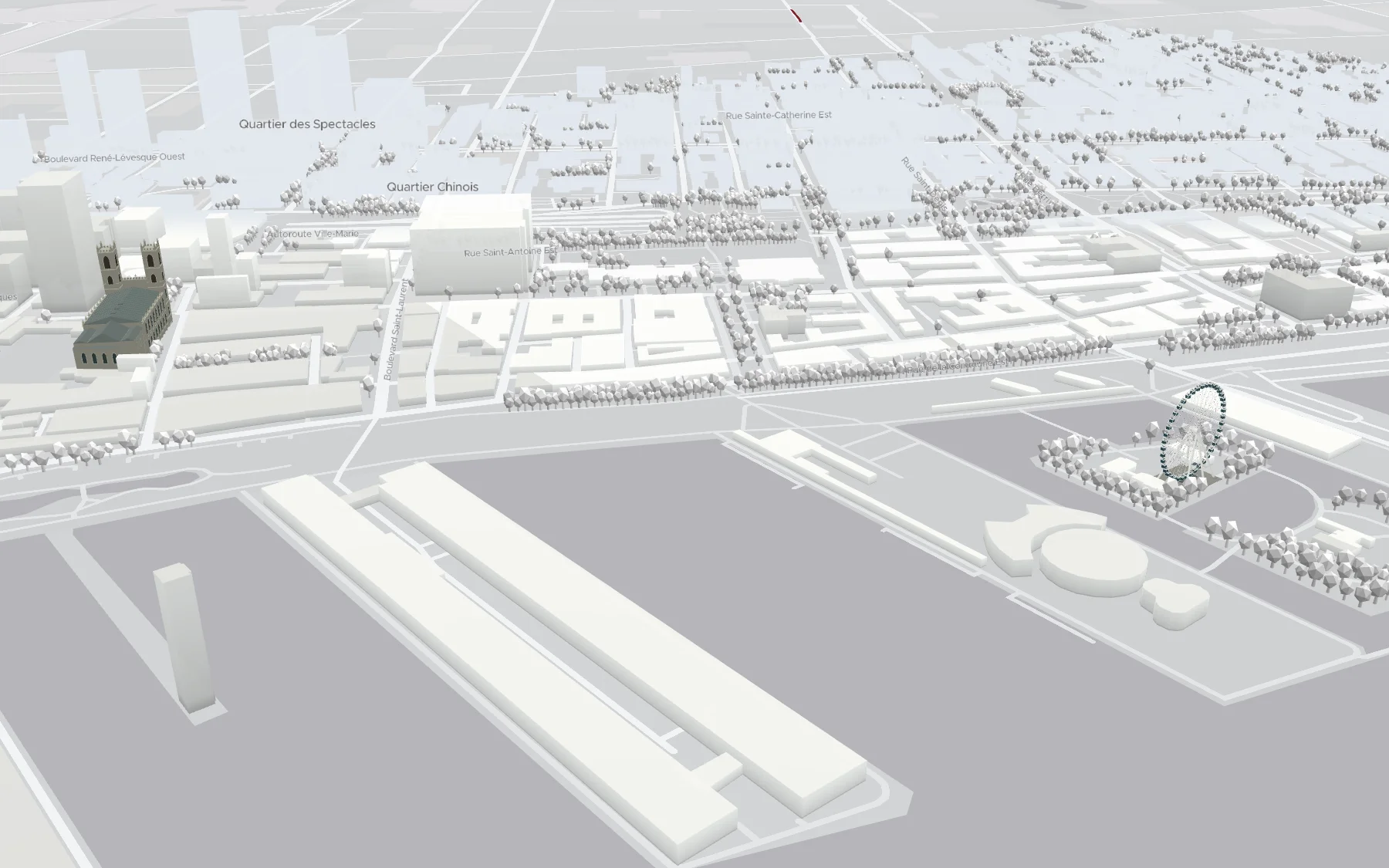
Every 3D landmark and bridge was checked on every frame, wherever you drove. Out of range, they now cost nothing, and every car does less work per frame.
Map
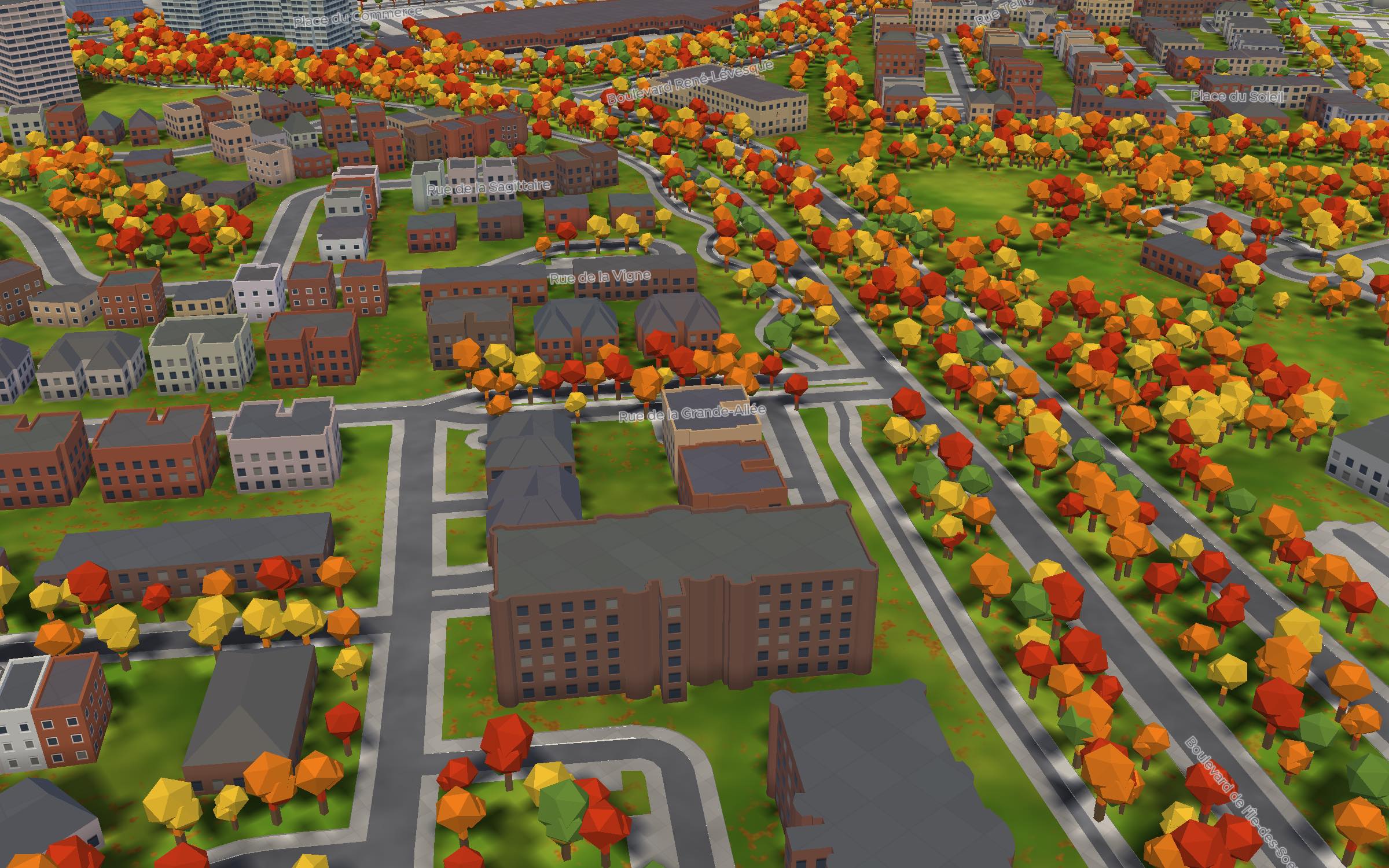
Houses have roofs
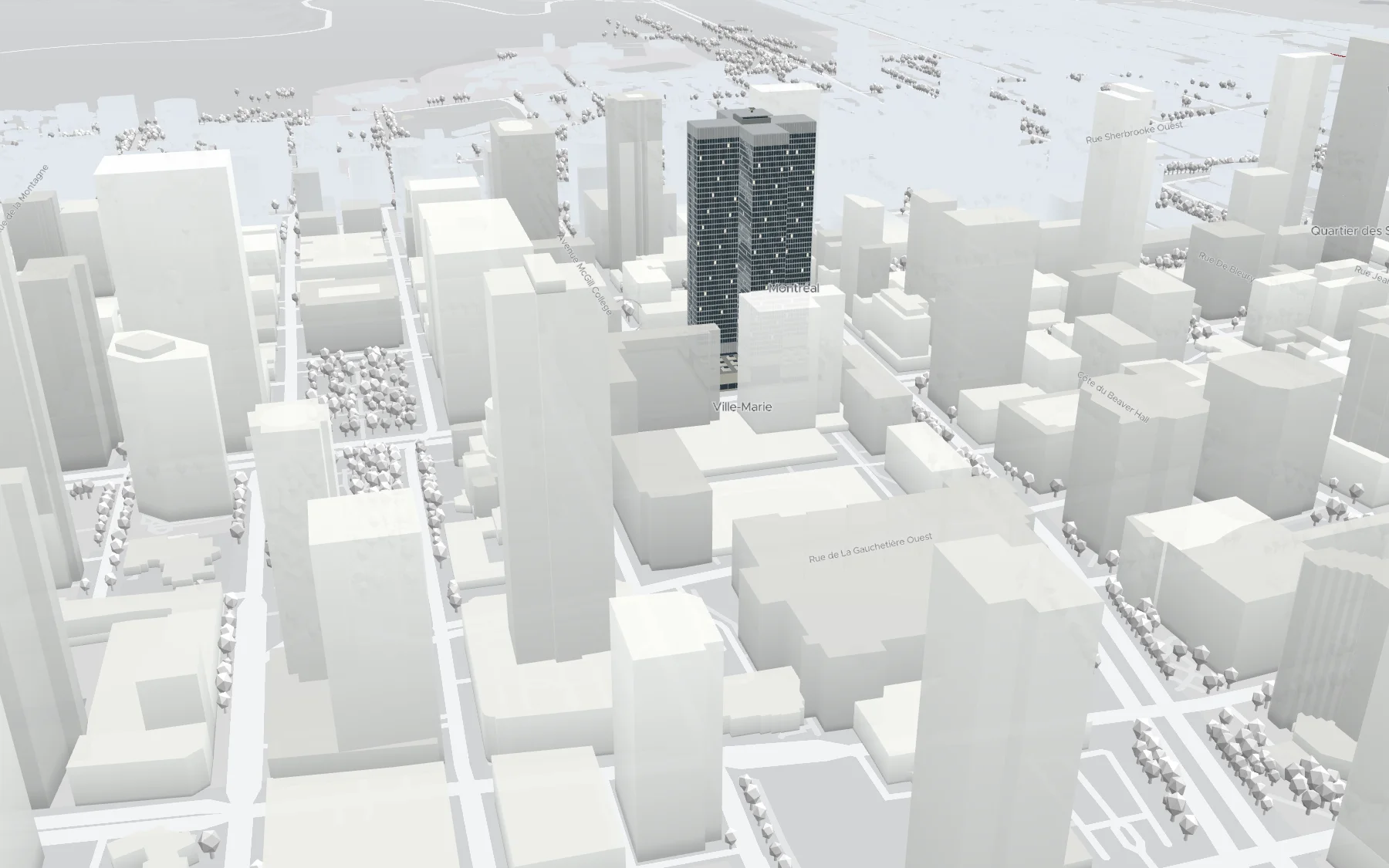
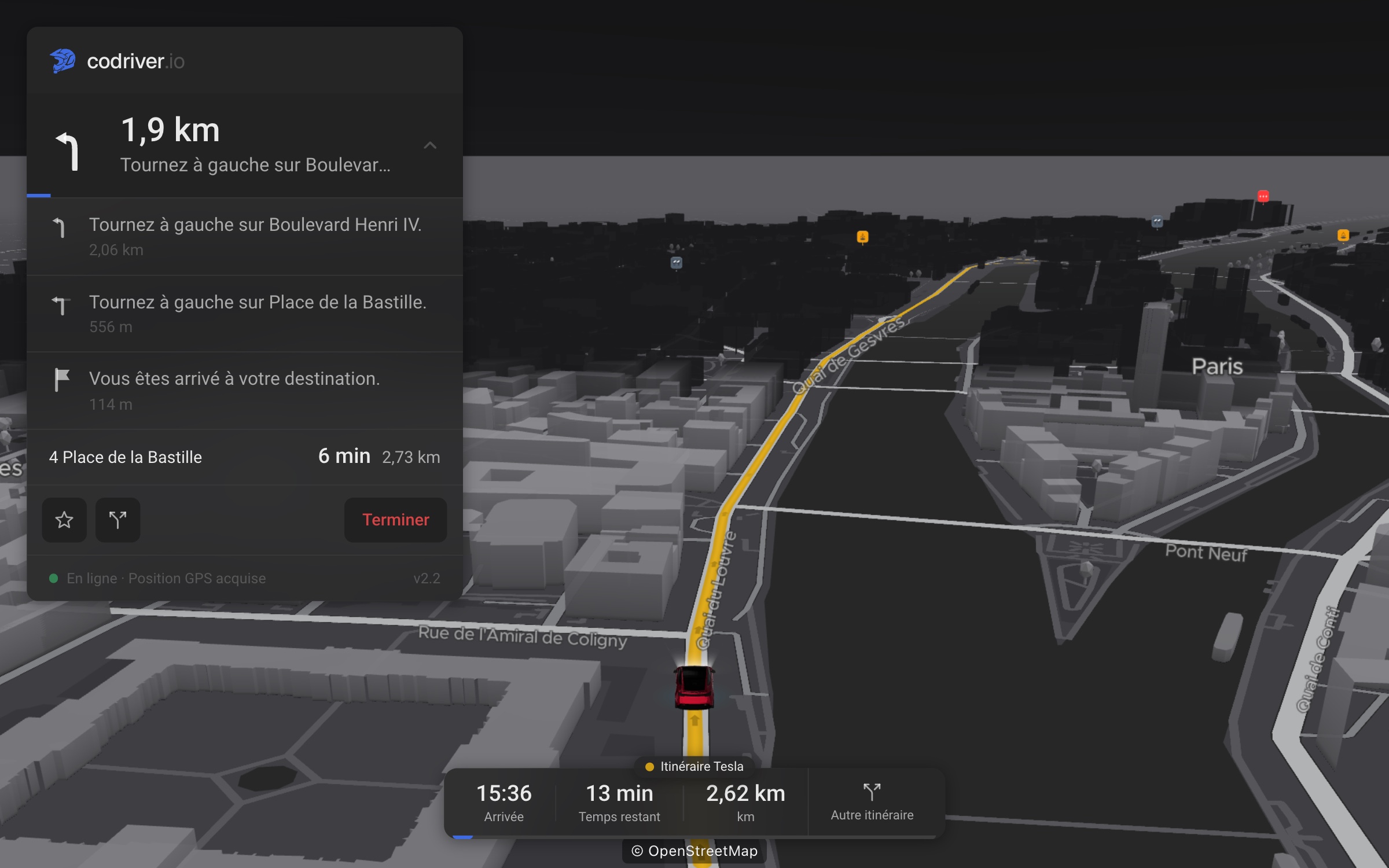
In Cityscape, a house that stands on its own now has a pitched roof instead of a flat top: hipped, gabled or a pyramid, by its shape. The map data does not say which buildings are houses, so the rule goes by shape: low, detached, 50 to 300 m² and close to a rectangle. Row houses and plexes keep their flat roofs, and so does MCU2. The odd small shop that fits the rule gets a roof it does not have.
Bridges show how they are built (prototype)
With lane details on, a bridge OpenStreetMap maps as an arch, a truss, a suspension or a cable-stayed bridge shows its arches, trusses, towers and cables. Landmark bridges keep their own models.
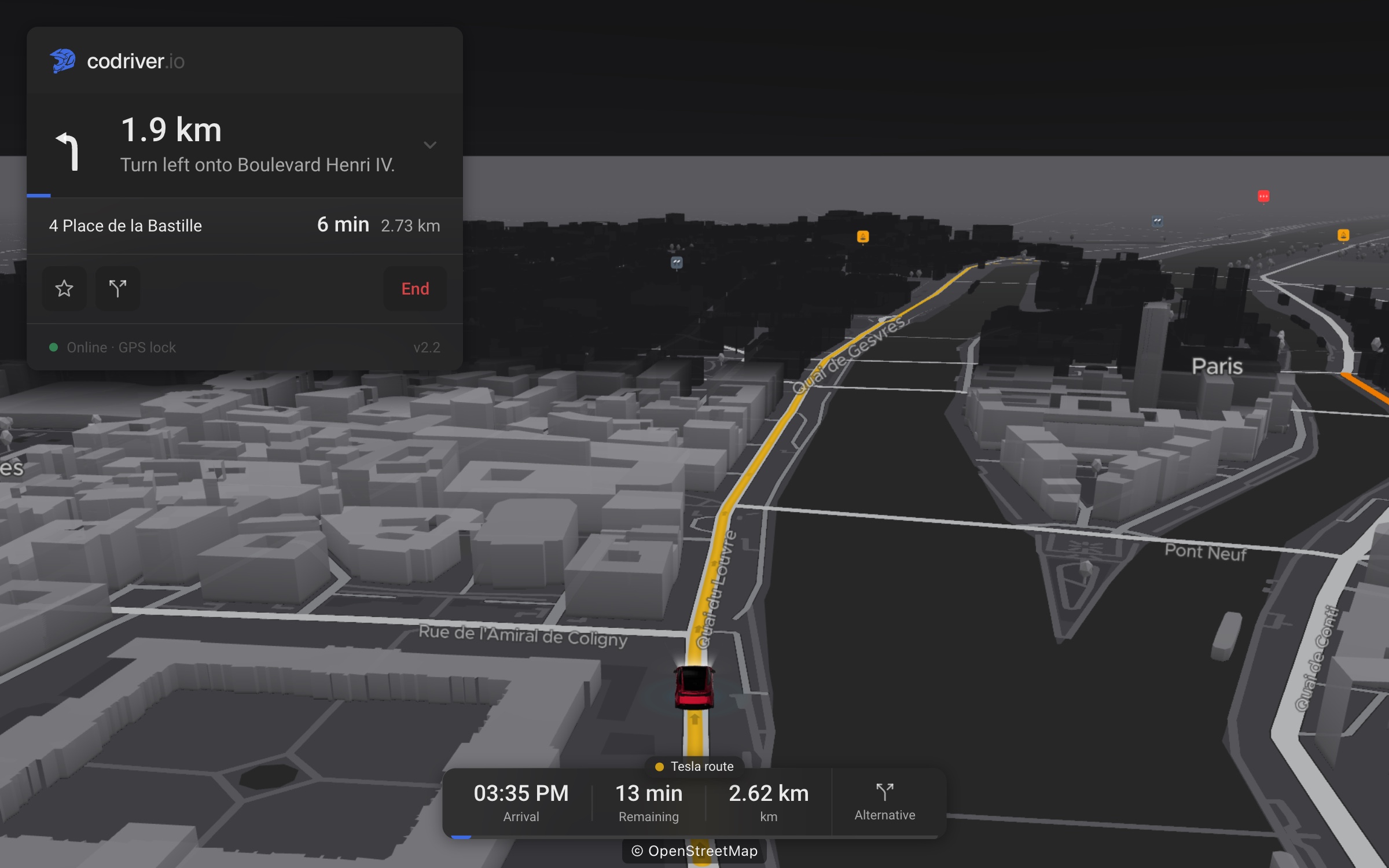
Traffic lights no longer wait on a public server
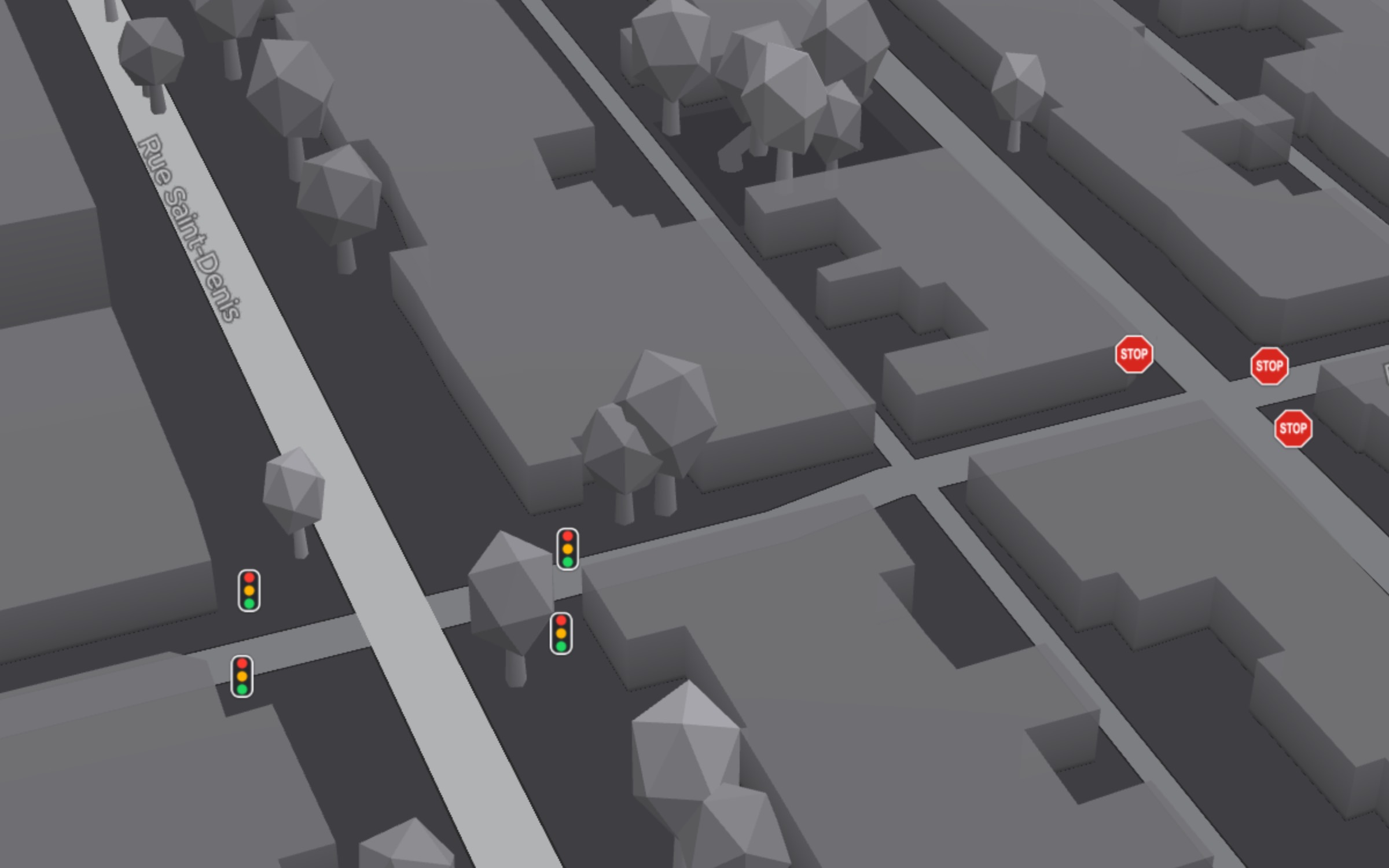
The traffic-light and stop-sign icons, and lane details, now come from our own copy of OpenStreetMap, rebuilt every week. They used to come from a public server that was slow and, lately, turned us away.